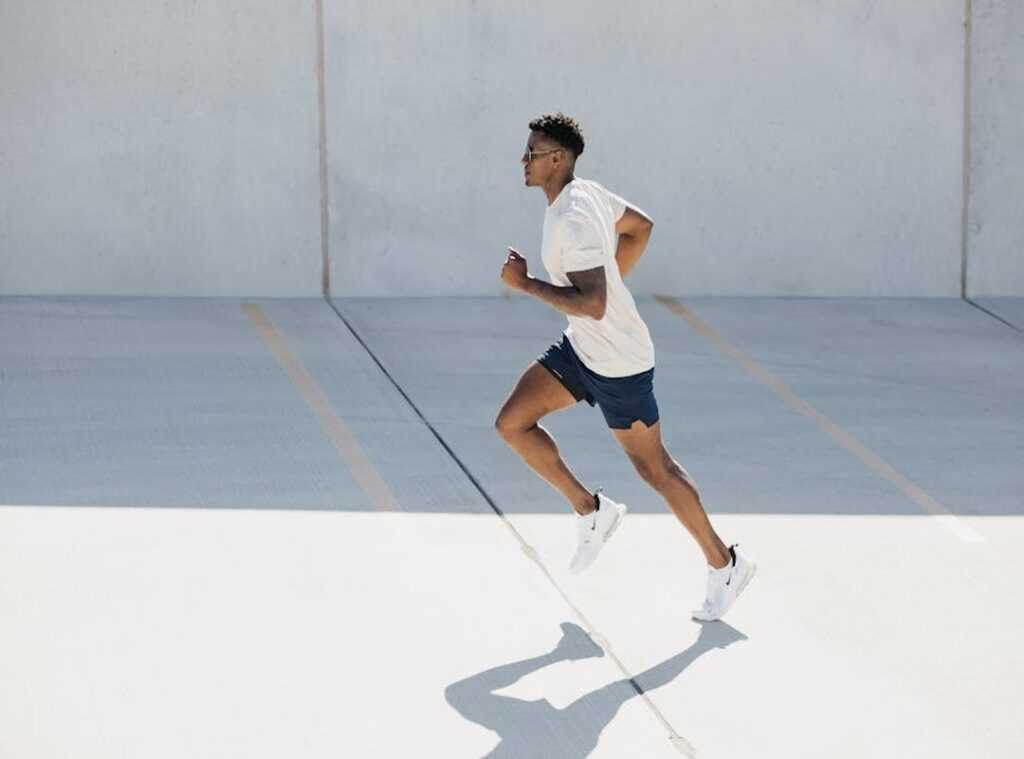

Athletes and coaches are constantly searching for practical ways to elevate performance—whether that means refining technique, sharpening team coordination, or finding the small adjustments that create game-changing momentum. If you’re here, you’re likely looking for clear, actionable insights that help you compete at a higher level, not just theory.
This article breaks down the essential elements behind Momentum Moments, advanced athletic skills and techniques, smarter team dynamics, and proven performance optimization strategies. You’ll learn how targeted training methods can improve agility and footwork, strengthen decision-making under pressure, and enhance overall efficiency on the field or court.
Our insights are grounded in established sports science principles, performance data analysis, and best practices used by competitive athletes and coaches. The goal is simple: give you practical, evidence-informed guidance you can apply immediately to train smarter, perform better, and gain a measurable edge.
Rewire Speed Through Coordination
Hitting a plateau despite gaining strength signals a neuromuscular disconnect. Speed is the product of motor unit recruitment—the brain’s ability to activate muscle fibers rapidly. Research in the Journal of Strength and Conditioning Research shows coordinated drill training can improve sprint times by up to 3% in trained athletes. Moreover, ladder patterns and reactive cone drills sharpen proprioception (your body’s position awareness). Consequently, athletes who consistently practice targeted footwork report faster change-of-direction metrics. To improve agility and footwork, pair balance hops with light cue-based sprints. Over weeks, this rewiring translates into explosive, game-ready speed gains.
The neuromuscular connection is the constant conversation between your central nervous system and your muscles. The brain sends electrical signals through the spinal cord, recruiting motor units—bundles of muscle fibers controlled by a single neuron. Speed, in my view, isn’t just about raw force; it’s about how precisely and quickly those signals fire, relax, and fire again. However, many athletes still chase heavier lifts thinking power alone wins races. I disagree. Without timing, strength leaks away.
That’s where proprioception comes in—the body’s ability to sense its position in space. When proprioception sharpens, movements become smoother, almost automatic. As a result, fewer micro-adjustments waste energy, and more force channels forward. In practical terms, coordinated athletes improve agility and footwork by eliminating stutter steps and overcorrections.
Critics might argue that speed is mostly genetic—fast-twitch fibers or nothing. Yet if that were entirely true, why do technically refined players so often outpace stronger rivals? Coordination reduces braking forces and unnecessary muscle co-contractions, letting momentum build.
I call these peak alignments Momentum Moments—seconds when neural timing and muscle sequencing sync perfectly, turning a good play into a great one. Ultimately, speed is coordination expressed at full intensity, not just strength on display under pressure.
Building Your Foundation: Core Exercises for Total Body Control
To enhance your agility and footwork for a competitive advantage, consider integrating drills that have proven effective in various sports contexts, as highlighted in our recent analysis of the innovative strategies discussed in “Results Sffarehockey.
Think of your body as a suspension bridge. If the cables don’t coordinate with the towers, everything sways. Core training works the same way—it teaches your brain and muscles to share one steady signal instead of shouting over each other.
Exercise Spotlight 1: The Bird-Dog
Start on all fours, wrists under shoulders, knees under hips. Slowly extend your right arm forward and left leg back. Pause. Imagine balancing a glass of water on your lower back (no spills). Return with control and switch sides.
This cross-body pattern trains contralateral stability—the ability of opposite limbs to work together. Running and cutting rely on this exact diagonal connection. Some argue it’s “too easy” to matter. But control at slow speeds builds the wiring that powers speed later (like rehearsing lines before opening night).
Exercise Spotlight 2: The Dead Bug
Lie on your back, arms straight up, knees bent at 90 degrees. Press your lower back into the floor. Slowly extend one leg and the opposite arm. Keep your ribs down. Return and alternate.
Here, the core acts like a seatbelt—holding steady while the limbs roam. This bracing skill is essential to improve agility and footwork because it prevents energy leaks when direction changes get sharp.
Exercise Spotlight 3: Single-Leg Balance Drills
Begin by standing on one leg for 30 seconds. Progress to single-leg Romanian Deadlifts with no weight, hinging at the hips while keeping your spine long.
These drills sharpen proprioception—your body’s internal GPS. Stabilizer muscles wake up, fine-tuning balance the way a camera lens adjusts focus. Pro tip: move slowly; speed hides weaknesses, control reveals them.
Unleashing Power: Dynamic Drills for Explosive Speed
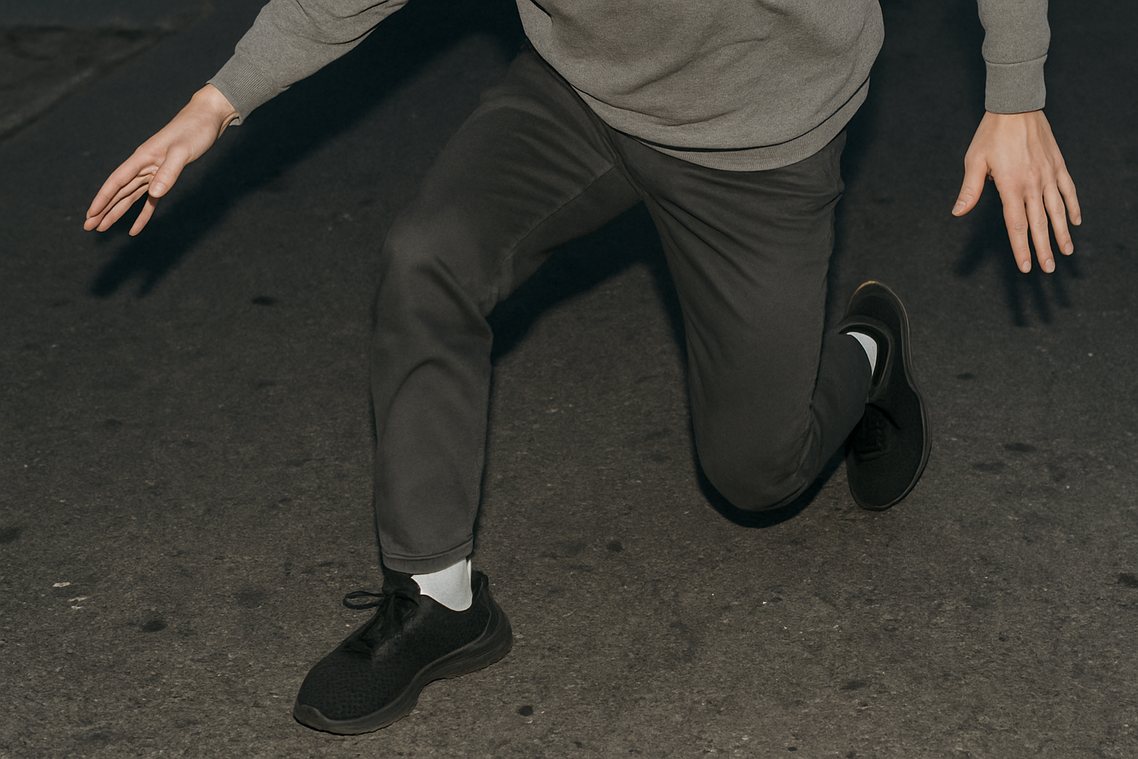
Once foundational control is built, the next step is fast-twitch activation—training the muscle fibers responsible for quick, explosive movements. Fast-twitch fibers generate high force in short bursts (think of a sprinter exploding off the blocks). The following drills shift your body from controlled strength to reactive speed.
Drill Spotlight 1: Agility Ladder “Ickey Shuffle”
The Ickey Shuffle follows a simple in-in-out pattern. Step one foot into the square, then the other (“in-in”), then move the lead foot outside the ladder (“out”), followed by the opposite foot stepping into the next square. Repeat down the ladder in rhythm.
At first glance, it looks like fancy footwork. In reality, it sharpens neuromuscular coordination—how quickly your brain communicates with your muscles. By forcing rapid pattern recognition, it helps improve agility and footwork while building timing and reactive thinking (like a point guard navigating traffic).
Drill Spotlight 2: Box Jumps
Start from a static athletic stance—hips back, chest tall. Swing the arms aggressively, drive through the hips, knees, and ankles (called “triple extension”), and explode upward. Land softly with bent knees.
The soft landing matters. Deceleration—the ability to absorb force safely—is just as critical as jumping high. Many athletes focus only on height, but controlled landings reduce injury risk and sharpen change-of-direction ability.
Drill Spotlight 3: Cone T-Drill
Set four cones in a “T” shape. Sprint forward to the middle cone, shuffle laterally to each side, then backpedal to the start.
This drill integrates acceleration, lateral movement, and backward speed—mirroring real game scenarios. For a deeper breakdown of power development principles, explore the complete guide to developing explosive power.
Integrating peak performance takes structure, not randomness. I learned this the hard way after stacking sprint drills on heavy leg days and wondering why my knees ached.
Here’s a simple, sustainable split:
• Day 1: Foundational Coordination — Bird-Dog, Dead Bug, balance drills.
• Day 2: Strength — squats, pull-ups.
• Day 3: Rest or active recovery.
• Day 4: Dynamic Speed & Agility — ladder, box jumps, cone drills to improve agility and footwork.
Some argue you should push intensity daily. I disagree. Master clean form first; speed comes later. Consistency, not chaos, builds durable, long-term performance gains steadily.
Becoming a more dominant athlete starts with mastering your neuromuscular connection—the communication loop between your brain and muscles that controls timing, balance, and force. If you feel strong in the gym but slow on the field, that gap is coordination (yes, strength alone isn’t the hero here).
Here’s what to do this week:
- Choose one foundational control move (e.g., single-leg balance reaches)
- Pair it with one explosive drill (like short-burst sprints) to improve agility and footwork
This coordination-first approach mirrors how elite sprinters train: control, then speed. Pro tip: Film your reps. Small posture tweaks unlock big gains.
You came here looking for practical ways to sharpen your performance, strengthen team chemistry, and gain a competitive edge. Now you have the tools to refine your athletic skills, elevate your decision-making, and build smarter in-game strategies that actually translate to results.
The difference between average and elite often comes down to consistency and precision. When your movements lack sharpness or your coordination breaks down under pressure, performance suffers. By focusing on drills that improve agility and footwork, reinforcing clear communication, and applying performance optimization techniques, you eliminate those weak links and turn them into strengths.
Take the Next Step Toward Peak Performance
Don’t let slow reactions, sloppy transitions, or poor synergy hold you back any longer. Get structured guidance designed to improve agility and footwork, strengthen team dynamics, and maximize your competitive output. Athletes and teams nationwide trust our proven performance frameworks to deliver measurable gains.
Start applying these strategies today and commit to focused, intentional training. Your next level isn’t out of reach—it starts with your next move.
 Head of Athletic Development & Training Programs
Ask Susan Briggswarrenones how they got into athletic skills and techniques and you'll probably get a longer answer than you expected. The short version: Susan started doing it, got genuinely hooked, and at some point realized they had accumulated enough hard-won knowledge that it would be a waste not to share it. So they started writing.
What makes Susan worth reading is that they skips the obvious stuff. Nobody needs another surface-level take on Athletic Skills and Techniques, Momentum Moments, Pro Perspectives. What readers actually want is the nuance — the part that only becomes clear after you've made a few mistakes and figured out why. That's the territory Susan operates in. The writing is direct, occasionally blunt, and always built around what's actually true rather than what sounds good in an article. They has little patience for filler, which means they's pieces tend to be denser with real information than the average post on the same subject.
Susan doesn't write to impress anyone. They writes because they has things to say that they genuinely thinks people should hear. That motivation — basic as it sounds — produces something noticeably different from content written for clicks or word count. Readers pick up on it. The comments on Susan's work tend to reflect that.
Head of Athletic Development & Training Programs
Ask Susan Briggswarrenones how they got into athletic skills and techniques and you'll probably get a longer answer than you expected. The short version: Susan started doing it, got genuinely hooked, and at some point realized they had accumulated enough hard-won knowledge that it would be a waste not to share it. So they started writing.
What makes Susan worth reading is that they skips the obvious stuff. Nobody needs another surface-level take on Athletic Skills and Techniques, Momentum Moments, Pro Perspectives. What readers actually want is the nuance — the part that only becomes clear after you've made a few mistakes and figured out why. That's the territory Susan operates in. The writing is direct, occasionally blunt, and always built around what's actually true rather than what sounds good in an article. They has little patience for filler, which means they's pieces tend to be denser with real information than the average post on the same subject.
Susan doesn't write to impress anyone. They writes because they has things to say that they genuinely thinks people should hear. That motivation — basic as it sounds — produces something noticeably different from content written for clicks or word count. Readers pick up on it. The comments on Susan's work tend to reflect that.