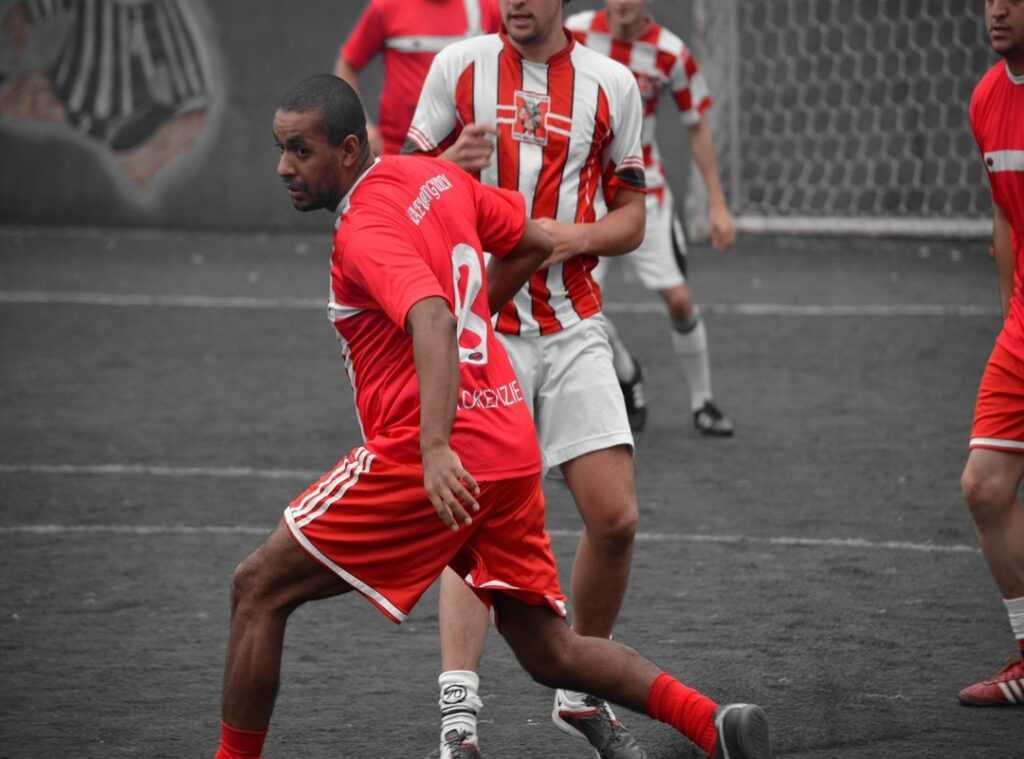

Most athletes think leadership is reserved for the loudest voice, the team captain, or the superstar filling the stat sheet. But true impact goes far beyond a title. This guide moves past generic advice like “lead by example” and delivers a practical playbook for players who want to step into meaningful influence—without waiting for permission. Drawing on proven insights from elite team dynamics and performance optimization, we break down how leadership roles in team sports are built through specific, repeatable actions. You’ll learn how to earn trust, create momentum, and become indispensable—whether you wear the armband or not.
Recognizing Your Moment: Where Leadership Opportunities Hide
Leadership rarely announces itself. More often, it whispers during confusion, fatigue, or silence. So first, look for the communication gap. When a coach delivers a complex adjustment, don’t just nod—translate it. Clarify assignments in the huddle. Break terminology into simple cues. (If you understand it well enough to explain it, you probably understand it for real.) Clear communication is one of the most overlooked leadership roles in team sports.
Next, watch for the energy vacuum. Every team hits lulls—slow stretches in practice, flat halftime moods. Instead of waiting for someone else, reset the tone. Sprint to drills. Call out encouragement. Make eye contact. Energy, after all, is contagious—good or bad.
Then, bridge the social divide. Rookies often hesitate; veterans sometimes cluster. Intentionally mix groups during warmups or organize small team activities. Strong chemistry off the field sharpens execution on it.
Finally, embrace unofficial roles. Master the playbook. Help the scout team compete hard. Take charge of setup and cleanup without being asked. These habits compound.
For deeper tactical growth, prioritize analyzing game film to improve team strategy and cohesion.
In short, don’t wait to be named a leader. Act like one first.
Earning Influence: Actions That Speak Louder Than Words
Leadership isn’t claimed in a locker room. It’s observed. If you want influence, your habits have to broadcast it before your mouth ever does.
Master the “First and Last” Principle
Arriving first to practice and leaving last is more than punctuality—it’s visible commitment. You’re signaling that preparation matters. That consistency builds quiet credibility over time. Some argue that talent alone earns respect. Talent helps, sure. But coaches and teammates consistently reward reliability (see research on conscientiousness and performance, APA). Consistency compounds. Pro tip: Use those extra minutes for mobility work or reviewing the practice script so your presence has purpose.
Elevate Teammates in Drills
Influence grows when others improve because of you. Offer specific praise: “Great read on that play!” Give quick, actionable tips: “Keep your hips lower on contact.” Specific feedback shows attention. Vague hype doesn’t. Think of it like being the steady veteran in a sports movie—less dramatic speech, more timely assist. Over time, teammates will seek your input because you’ve proven you’re invested in their success.
Own Your Mistakes Immediately
Trust accelerates when accountability is instant. A simple, “My bad—I misread that,” stops blame before it spreads. Social psychology calls this modeling behavior—people mirror what they see (Cialdini, Influence). When you normalize responsibility, others follow.
Become a “Human Playbook”
Study film. Learn the strategy behind every drill. When others need clarity, be ready. Leadership roles in team sports aren’t assigned by volume; they’re earned through value. The more answers you provide, the more indispensable you become.
Finding Your Voice: How and When to Speak Up
The Right Time and Place
Vocal leadership is the skill of choosing when and how to use your voice for maximum impact. Pulling a teammate aside for a quiet word after a missed rotation preserves trust; calling them out in front of the group can trigger defensiveness and stall momentum. (No one likes being the blooper reel in real time.) Situational awareness—reading energy, score, and stakes—turns volume into value.
Speaking in “We,” Not “You”
Framing feedback around the collective builds ownership. “We need to tighten up our defense” invites collaboration; “You need to play better defense” assigns blame. The former aligns standards with shared goals, which research links to higher team cohesion and performance (Carron et al., 2002). We-language scales trust, especially for leadership roles in team sports.
Leading with Questions
Instead of dictating fixes, ask: 1. What are we seeing out there? 2. How can we adjust to their pressure? Questions foster critical thinking and group ownership, turning huddles into problem-solving labs. Pro tip: wait three beats before speaking; silence often invites better answers.
Communicating Up to Coaches
Approach with respect and data: state the observation, share impact, suggest an option. For example, “When we switch late, we give up corner threes; could we pre-call the coverage?” This framework positions you as a thoughtful partner, not a complainer, and builds credibility that compounds over a season.
Consistency in tone reinforces culture during high-pressure Momentum Moments. Stay calm under fire.
Step Into Your Leadership Role
Your leadership journey doesn’t begin with a title—it begins with action. You came here looking for a clear path to becoming a stronger leader, and now you have it. You understand that real influence is built through consistency, accountability, and the way you show up for your team every single day.
The real pain point was never a lack of potential. It was uncertainty about what to do next. Now that uncertainty is gone. Whether you aspire to be a team captain, a point guard, or a quarterback, the principle remains the same: leadership is demonstrated before it is declared. When you communicate clearly, elevate teammates, and model discipline, your role becomes obvious—long before it’s officially assigned.
This works because trust and respect can’t be demanded; they’re earned through visible effort and dependable character. When your actions consistently serve the team, recognition naturally follows.
Here’s your next move: choose one strategy from this guide and apply it at your next practice. Don’t wait for permission. Lead now. If you’re ready to accelerate your growth and separate yourself from the average athlete, start implementing these leadership habits today and watch how quickly your impact expands.
 Head of Athletic Development & Training Programs
Ask Susan Briggswarrenones how they got into athletic skills and techniques and you'll probably get a longer answer than you expected. The short version: Susan started doing it, got genuinely hooked, and at some point realized they had accumulated enough hard-won knowledge that it would be a waste not to share it. So they started writing.
What makes Susan worth reading is that they skips the obvious stuff. Nobody needs another surface-level take on Athletic Skills and Techniques, Momentum Moments, Pro Perspectives. What readers actually want is the nuance — the part that only becomes clear after you've made a few mistakes and figured out why. That's the territory Susan operates in. The writing is direct, occasionally blunt, and always built around what's actually true rather than what sounds good in an article. They has little patience for filler, which means they's pieces tend to be denser with real information than the average post on the same subject.
Susan doesn't write to impress anyone. They writes because they has things to say that they genuinely thinks people should hear. That motivation — basic as it sounds — produces something noticeably different from content written for clicks or word count. Readers pick up on it. The comments on Susan's work tend to reflect that.
Head of Athletic Development & Training Programs
Ask Susan Briggswarrenones how they got into athletic skills and techniques and you'll probably get a longer answer than you expected. The short version: Susan started doing it, got genuinely hooked, and at some point realized they had accumulated enough hard-won knowledge that it would be a waste not to share it. So they started writing.
What makes Susan worth reading is that they skips the obvious stuff. Nobody needs another surface-level take on Athletic Skills and Techniques, Momentum Moments, Pro Perspectives. What readers actually want is the nuance — the part that only becomes clear after you've made a few mistakes and figured out why. That's the territory Susan operates in. The writing is direct, occasionally blunt, and always built around what's actually true rather than what sounds good in an article. They has little patience for filler, which means they's pieces tend to be denser with real information than the average post on the same subject.
Susan doesn't write to impress anyone. They writes because they has things to say that they genuinely thinks people should hear. That motivation — basic as it sounds — produces something noticeably different from content written for clicks or word count. Readers pick up on it. The comments on Susan's work tend to reflect that.