Injuries can feel like the end of momentum—but with the right plan, they can become the foundation for a stronger comeback. This guide presents a strategic, multi-phase framework designed to turn downtime into deliberate progress. At its core are recovery protocols for athletes built on proven sports science and physical therapy principles, removing the guesswork that often leads to setbacks or re-injury. You’ll gain a clear, actionable roadmap for navigating both the physical and mental demands of healing—so you don’t just return to play, but come back stronger, more resilient, and fully prepared to perform at your peak.
Phase 1: The Acute Stage – Immediate Steps for Damage Control
By understanding how recovery protocols can enhance long-term athletic output, athletes can also better appreciate the intersection of physical readiness and strategic adaptability highlighted in our article on offensive versus defensive strategies – for more details, check out our Offensive vs Defensive Strategies: When to Adapt Your Game Plan.
The first 24–72 hours after an injury are critical. What you do now directly impacts how fast—and how fully—you recover. The goal is simple: control inflammation and prevent further damage so your body can begin repairing itself efficiently.
Follow the P.O.L.I.C.E. principle:
- Protection – Avoid movements that aggravate the injury.
- Optimal Loading – Introduce gentle, pain-free movement to stimulate healing.
- Ice – Reduce swelling and discomfort.
- Compression – Limit excess inflammation.
- Elevation – Improve fluid drainage.
This modern upgrade to R.I.C.E. reflects current recovery protocols for athletes and promotes smarter healing (because total rest isn’t always the hero move).
Just as important: get a professional diagnosis. Knowing the exact severity ensures you don’t under-treat—or worse, overdo it.
Yes, it’s frustrating. But focusing on controllables now means faster returns, fewer setbacks, and a stronger foundation for long-term performance gains.
Phase 2: The Subacute Stage – Rebuilding Strength Without Re-injury
From about day three to several weeks post-injury, you enter what clinicians call the subacute stage—the window where pain begins to settle and tissue repair ramps up. This is where smart athletes separate temporary setbacks from lingering problems.
The primary goal is restoring pain-free range of motion (how far a joint can move without discomfort) while gently reactivating surrounding muscles. I’m a big believer in starting with controlled mobility drills before chasing strength. If you can’t move well, loading the area is like building a house on wet concrete.
Next come isometric contractions—tightening a muscle without moving the joint. Think pressing your hand against a wall without actually pushing it away. You maintain neural activation and limit atrophy without overstressing healing fibers. It may feel “too easy” (it’s not), but restraint here pays dividends later.
For conditioning, light cross-training like swimming or stationary cycling keeps your engine running. Cardiovascular fitness drops faster than most athletes expect (studies show measurable declines in VO2 max within weeks of inactivity, per ACSM), so maintaining it matters.
Some argue you should push through mild pain to speed adaptation. I disagree. Pain is feedback, not a challenge. Ignore it now, and you risk turning a short-term injury into a chronic saga.
Follow structured recovery protocols for athletes, regress when needed, and remember: progress that sticks beats progress that spikes.
Phase 3: The Remodeling Stage – Integrating Sport-Specific Movements
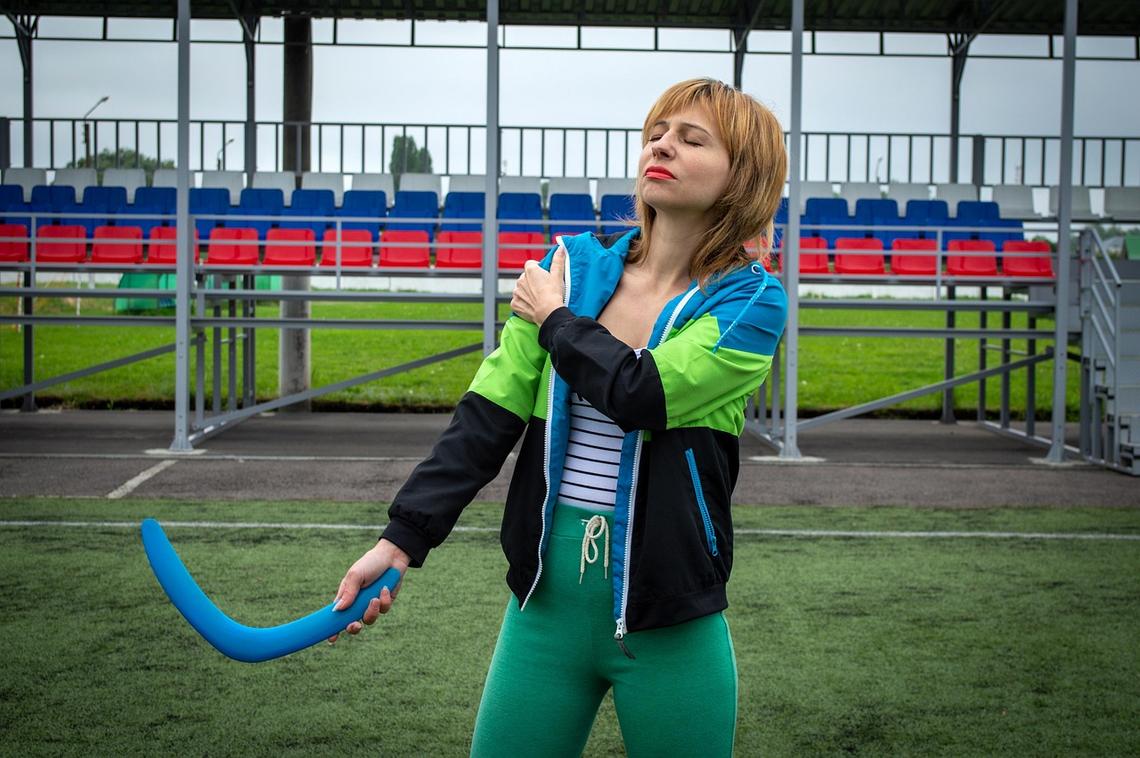
By Phase 3, healing tissue is stronger—but not invincible. This is where recovery protocols for athletes shift from basic rehab to PERFORMANCE-DRIVEN retraining. The focus? Rebuilding strength and proprioception (your body’s built-in GPS for joint position and movement).
Athletic skills integration becomes essential. An ankle sprain, for example, progresses from straight-line walking to:
- Single-leg balance drills
- Controlled lateral shuffles
- Multi-directional cutting patterns
These multi-joint, functional movements mirror real competition demands. Still, I’ll be honest: there’s debate about how quickly athletes should introduce high-intensity change-of-direction work. Some experts push early exposure; others urge caution to avoid re-injury. The “right” timeline isn’t always clear—it depends on pain levels, tissue tolerance, and movement quality.
Technique refinement is equally critical. Subtle biomechanical flaws—like knee valgus (inward collapse of the knee)—often contribute to the original injury. Working with a coach to analyze mechanics can prevent history from repeating itself (because déjà vu is fun in movies, not rehab).
Momentum building may be the most underestimated piece. Completing complex drills restores TRUST in your body. Confidence fuels consistency.
And don’t overlook support systems like proper fueling—see nutrition strategies that support peak performance.
This phase isn’t about rushing. It’s about controlled intensity, honest feedback, and steady, measurable progress.
Phase 4: The Functional Stage – Returning to Play Stronger Than Before
Phase 4 is where preparation meets proof. This is the final checkpoint before full competition, and the standard is simple: your body must handle intensity, speed, and unpredictability without hesitation.
Build Game-Ready Performance
Start with sport-specific drills at progressive intensity. That means plyometrics (explosive movements like box jumps), agility drills with reactive cues, and controlled scrimmages that mimic real-game chaos. If you play a cutting sport, practice unplanned direction changes. If you compete in contact sports, reintroduce controlled contact.
Train like you compete. If practice is too safe, competition will feel like a shock.
Some athletes believe passing strength tests is enough. It’s not. Strength in isolation doesn’t equal resilience under fatigue. You must layer conditioning into skill work so your mechanics hold up when tired.
Turn Weakness Into Armor
Develop a personalized warm-up and pre-hab routine targeting past vulnerabilities. This should complement established recovery protocols for athletes, not replace them. If you’ve had ankle instability, add balance work and resisted lateral drills before every session.
Pro tip: Film your movement patterns during high-speed drills. Small compensations show up on camera before they become reinjuries.
Reconnect With the Team
Reintegrate gradually. Limited reps in practice rebuild timing, trust, and communication. Confidence returns fastest when your mind and body adapt together.
After the first six weeks post-injury, fear of re-injury can feel louder than the pain. Start with gradual exposure—short, controlled drills that rebuild trust in your body—and celebrate small victories. Meanwhile, use visualization to rehearse game-speed decisions, keeping your mind sharp and connected to your sport. Set realistic, weekly goals to fight frustration; progress, like recovery protocols for athletes, compounds over months, not days. By month three, confidence often follows consistency. Trust the process consistently.
Your Roadmap to Peak Performance Post-Injury
You came here looking for clarity in the chaos of injury recovery—and now you have a structured path forward. By following proven recovery protocols for athletes, you eliminate guesswork and rebuild with purpose instead of frustration. This approach protects your healing tissue while restoring strength, skill, and confidence step by step. Don’t let setbacks define your season. Start applying this blueprint today and take control of your comeback with a plan built to make you stronger than before.
 Team Dynamics & Strategy Coordinator
Johnielos Hayhurst is the kind of writer who genuinely cannot publish something without checking it twice. Maybe three times. They came to athletic skills and techniques through years of hands-on work rather than theory, which means the things they writes about — Athletic Skills and Techniques, Momentum Moments, Pro Perspectives, among other areas — are things they has actually tested, questioned, and revised opinions on more than once.
That shows in the work. Johnielos's pieces tend to go a level deeper than most. Not in a way that becomes unreadable, but in a way that makes you realize you'd been missing something important. They has a habit of finding the detail that everybody else glosses over and making it the center of the story — which sounds simple, but takes a rare combination of curiosity and patience to pull off consistently. The writing never feels rushed. It feels like someone who sat with the subject long enough to actually understand it.
Outside of specific topics, what Johnielos cares about most is whether the reader walks away with something useful. Not impressed. Not entertained. Useful. That's a harder bar to clear than it sounds, and they clears it more often than not — which is why readers tend to remember Johnielos's articles long after they've forgotten the headline.
Team Dynamics & Strategy Coordinator
Johnielos Hayhurst is the kind of writer who genuinely cannot publish something without checking it twice. Maybe three times. They came to athletic skills and techniques through years of hands-on work rather than theory, which means the things they writes about — Athletic Skills and Techniques, Momentum Moments, Pro Perspectives, among other areas — are things they has actually tested, questioned, and revised opinions on more than once.
That shows in the work. Johnielos's pieces tend to go a level deeper than most. Not in a way that becomes unreadable, but in a way that makes you realize you'd been missing something important. They has a habit of finding the detail that everybody else glosses over and making it the center of the story — which sounds simple, but takes a rare combination of curiosity and patience to pull off consistently. The writing never feels rushed. It feels like someone who sat with the subject long enough to actually understand it.
Outside of specific topics, what Johnielos cares about most is whether the reader walks away with something useful. Not impressed. Not entertained. Useful. That's a harder bar to clear than it sounds, and they clears it more often than not — which is why readers tend to remember Johnielos's articles long after they've forgotten the headline.