
Athletes and coaches today are searching for one thing: a measurable edge. Whether you want to sharpen technical skills, build smarter team strategies, or unlock more consistent peak performances, the key lies in understanding how momentum shifts, mechanics, and preparation intersect. This article breaks down the core principles behind athletic skills and techniques, team dynamics, and performance optimization—so you can translate insight into action.
We focus on what actually drives results, including how data tracking in sports performance reveals patterns that the naked eye often misses. By combining performance analytics with proven training methodologies and insights drawn from sports science research, we provide guidance rooted in evidence—not guesswork.
You’ll learn how to identify momentum moments, refine execution under pressure, and align individual strengths with team strategy. If your goal is smarter training and more predictable performance gains, this guide delivers the clarity and structure you need to move forward with confidence.
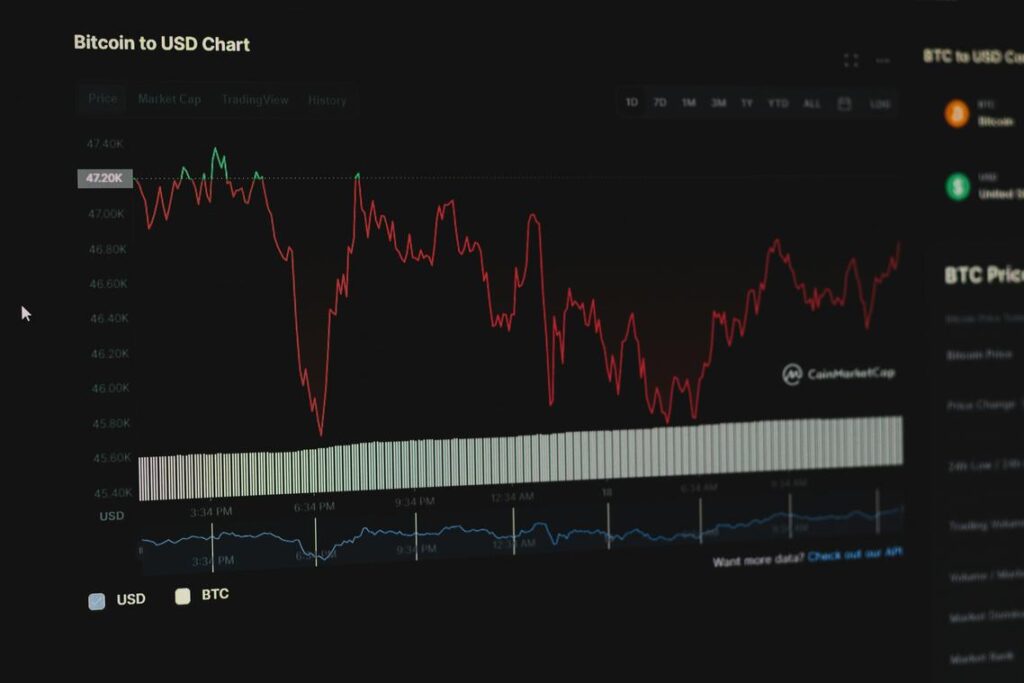
Coaches once trusted gut instinct, like a seasoned quarterback calling an audible. However, today’s edge comes from data, not vibes. Think Moneyball, where overlooked numbers rewrote baseball’s playbook. By embracing data tracking in sports performance, athletes monitor workload, heart rate variability, sprint speed, and sleep quality. Consequently, patterns emerge: fatigue spikes, recovery dips, plateaus forming. Instead of guessing, coaches adjust training loads, rotate drills, and prevent injuries before they headline the injury report. Moreover, clear metrics sharpen strategy, turning close losses into measurable gains. Ultimately, hard data transforms effort into momentum, replacing guesswork with repeatable performance breakthroughs, season after season.
Beyond the Scoreboard: Key Performance Indicators to Track
Wins and losses tell you what happened. Key Performance Indicators (KPIs) tell you why.
Let’s start with physiological data. Heart Rate Variability (HRV)—the variation in time between heartbeats—is a proven marker of recovery and nervous system readiness (Shaffer & Ginsberg, 2017). A suppressed HRV after a grueling preseason session in humid Florida heat? That’s your cue to dial intensity back. Meanwhile, VO2 max, or maximal oxygen uptake, measures endurance capacity—how efficiently the body uses oxygen during peak effort. Elite endurance athletes often exceed 70 ml/kg/min (Bassett & Howley, 2000). Add blood lactate levels, which indicate when an athlete crosses their lactate threshold (the tipping point where fatigue accelerates), and you’ve got a blueprint for precision conditioning.
Next, biomechanical data sharpens technique. Wearable sensors and motion capture systems—now common from NCAA weight rooms to private performance labs in Texas—analyze stride length, ground reaction force, and joint angles. This isn’t just tech for tech’s sake. It refines force production and reduces injury risk (because nobody wants a hamstring pull in week one).
Then there’s workload management. The Acute:Chronic Workload Ratio (ACWR) compares short-term training load to long-term load to prevent overtraining. Too much spike, too soon? Injury risk climbs (Gabbett, 2016).
Finally, sport-specific KPIs matter. In baseball, pitch velocity and spin rate shape outcomes. In cycling, power output and cadence dictate race strategy.
This is where data tracking in sports performance changes the game. Numbers don’t replace coaching intuition—but they sharpen it.
Identifying Game-Changing Plays: How Data Reveals Momentum Shifts
The crowd feels it before the scoreboard shows it. A sudden steal. A burst downfield. The sharp squeak of sneakers, the THUD of a clean tackle. These are Momentum Moments—critical junctures where performance spikes or dips and the outcome quietly tilts in one direction.
Some argue momentum is just “vibes,” an emotional wave you can’t measure. But GPS tracking tells a different story. By analyzing player speed, acceleration and deceleration rates, and micro-adjustments in positioning, coaches can see exactly when intensity surges or fatigue creeps in. This is where data tracking in sports performance becomes transformative, revealing patterns invisible to the naked eye.
Imagine a winger hitting peak acceleration three times in five minutes before a scoring run. Or a defender’s reaction time slowing by half a second late in the fourth quarter. Those details LOOK small. They aren’t.
By isolating these moments, coaches design drills that replicate pressure—the roar of the clock winding down, the burn in the lungs, the split-second decision that changes everything. It aligns seamlessly with a holistic approach to performance optimization for athletes, turning instinct into repeatable strategy.
Momentum isn’t magic. It’s measurable, trainable, and, when understood, unstoppable.
Deconstructing Greatness: Using Data to Perfect Athletic Technique
From Guesswork to Measurable Gains
At the elite level, tiny adjustments create massive results. That’s where micro-level movement analysis changes the game. By combining high-speed video with wearable sensors, athletes can dissect complex motions—whether it’s a golf swing, swim stroke, or clean and jerk—frame by frame. Instead of relying on feel alone (which can be wildly misleading), you see exactly what your body is doing.
Some critics argue that too much tech “kills instinct.” However, instinct improves when it’s informed. When data tracking in sports performance reveals that your hip rotation lags by 0.2 seconds, you gain clarity—not confusion. And clarity accelerates mastery.
Even better, objective feedback loops replace vague advice. Rather than hearing “snap your wrist more,” you receive a precise cue: increase wrist extension by 10 degrees at release. That specificity shortens learning curves and reduces overtraining.
Consider a tennis player analyzing racquet head speed and ball impact location. By adjusting contact point consistency by mere centimeters, serve accuracy and power climb dramatically. The payoff? More aces, fewer double faults, and measurable confidence under pressure.
Ultimately, the benefit is simple: smarter practice, faster improvement, and performance gains you can actually see.
The Collective Advantage: Analyzing Team Cohesion and Strategy
Great teams win because of structure, not just star power. Moving beyond individual stats means evaluating how players function as a unit. Heat maps in soccer reveal positioning discipline, passing networks expose ball-dominant bottlenecks, and basketball spacing charts highlight whether driving lanes stay open. These features aren’t cosmetic—they directly influence scoring efficiency and defensive stability.
Through data tracking in sports performance, coaches can translate patterns into measurable advantages. For example, if opponent analysis shows a fullback consistently drifting inside, teams can overload the wing to stretch coverage (think chess, not checkers).
Key strategic adjustments include:
- Identifying formation gaps and targeting them with set plays.
- Monitoring off-ball movement to maintain optimal spacing.
- Measuring pass tempo to control momentum shifts.
Some argue instinct outweighs analytics. Instinct matters—but structured data ensures synergy isn’t accidental. When every player occupies the right zone at the right time, execution becomes repeatable, not hopeful.
Consistent improvement in competitive sports is notoriously difficult; small gains separate champions from contenders. However, research from the Journal of Strength and Conditioning shows that athletes who monitor defined metrics improve performance outcomes by up to 20% over a season. In other words, guessing stalls progress, while data clarifies priorities. By embracing data tracking in sports performance, teams can pinpoint fatigue, refine technique, and adjust workloads before injuries spike. For example, tracking sleep quality and sprint times often reveals recovery gaps. So, start small: choose recovery or technique, measure one or two metrics weekly, and review trends consistently to optimize.
By analyzing performance metrics and trends, athletes can leverage data tracking to fine-tune their training regimens, a practice that is similarly highlighted in our detailed exploration of recent game trends in “Statistics 2023 Sffarehockey.
Take Control of Your Competitive Edge
You came here to sharpen your understanding of momentum moments, refine athletic skills and techniques, strengthen team dynamics, and unlock true performance optimization. Now you have a clearer blueprint for turning raw potential into measurable results.
The difference between average and elite isn’t effort alone—it’s precision. It’s recognizing momentum shifts before they swing the game. It’s correcting small technical flaws before they become costly mistakes. It’s using data tracking in sports performance to transform guesswork into strategy.
If you’ve been frustrated by inconsistent results, stalled progress, or a team that can’t quite click under pressure, that pain point is solvable. The athletes and teams who win consistently commit to structured improvement, smart analysis, and intentional execution.
Your next move is simple: start applying these strategies in your next training cycle. Track performance metrics, review key moments, and adjust with purpose. If you’re serious about elevating your results, take action now—join the #1 rated performance insights platform trusted by competitive athletes and teams, and start building your winning edge today.
 Head of Athletic Development & Training Programs
Ask Susan Briggswarrenones how they got into athletic skills and techniques and you'll probably get a longer answer than you expected. The short version: Susan started doing it, got genuinely hooked, and at some point realized they had accumulated enough hard-won knowledge that it would be a waste not to share it. So they started writing.
What makes Susan worth reading is that they skips the obvious stuff. Nobody needs another surface-level take on Athletic Skills and Techniques, Momentum Moments, Pro Perspectives. What readers actually want is the nuance — the part that only becomes clear after you've made a few mistakes and figured out why. That's the territory Susan operates in. The writing is direct, occasionally blunt, and always built around what's actually true rather than what sounds good in an article. They has little patience for filler, which means they's pieces tend to be denser with real information than the average post on the same subject.
Susan doesn't write to impress anyone. They writes because they has things to say that they genuinely thinks people should hear. That motivation — basic as it sounds — produces something noticeably different from content written for clicks or word count. Readers pick up on it. The comments on Susan's work tend to reflect that.
Head of Athletic Development & Training Programs
Ask Susan Briggswarrenones how they got into athletic skills and techniques and you'll probably get a longer answer than you expected. The short version: Susan started doing it, got genuinely hooked, and at some point realized they had accumulated enough hard-won knowledge that it would be a waste not to share it. So they started writing.
What makes Susan worth reading is that they skips the obvious stuff. Nobody needs another surface-level take on Athletic Skills and Techniques, Momentum Moments, Pro Perspectives. What readers actually want is the nuance — the part that only becomes clear after you've made a few mistakes and figured out why. That's the territory Susan operates in. The writing is direct, occasionally blunt, and always built around what's actually true rather than what sounds good in an article. They has little patience for filler, which means they's pieces tend to be denser with real information than the average post on the same subject.
Susan doesn't write to impress anyone. They writes because they has things to say that they genuinely thinks people should hear. That motivation — basic as it sounds — produces something noticeably different from content written for clicks or word count. Readers pick up on it. The comments on Susan's work tend to reflect that.