
If you’ve hit a performance plateau, feel unexpectedly clumsy, or struggle with recurring minor injuries, the issue may not be strength or speed—it’s your foundation. Athletic success begins with stability. This guide delivers a clear, progressive system of balance and coordination drills designed to retrain your neuromuscular pathways and sharpen movement control. By systematically improving how your body stabilizes, reacts, and adapts under pressure, you’ll unlock smoother mechanics and greater resilience. You’re here for practical, actionable exercises—and this routine provides step-by-step progressions you can start today to build lasting balance, coordination, and athletic confidence.
The Science of Stability: Why Balance and Coordination Matter
Incorporating balance and coordination drills into your training regimen not only enhances your overall athletic performance but also complements Speed Training Workouts to Improve Acceleration, ensuring you’re quicker and more agile on the field.
Proprioception is your body’s “sixth sense”—the ability to know where your limbs are without looking. Close your eyes and touch your nose. That’s proprioception at work (when it works well, you look smooth; when it doesn’t, you look like you’re swatting a fly).
I learned this the hard way after ignoring balance training early on. I focused on strength alone—and paid for it with a preventable ankle sprain.
The nervous system constantly sends signals between brain and muscles, making split-second corrections before you’re even aware of them. That brain-body loop is coordination.
• Better balance means more force transfer and cleaner movement.
• Poor stability increases injury risk, especially in knees and ankles (McKeon & Hertel, 2008).
Adding balance and coordination drills improved my reaction time and agility within weeks. Pro tip: train stability when you’re fresh, not exhausted.
Some argue strength alone is enough. I did too. I was wrong.
Building Your Base: Foundational Static Balance Exercises
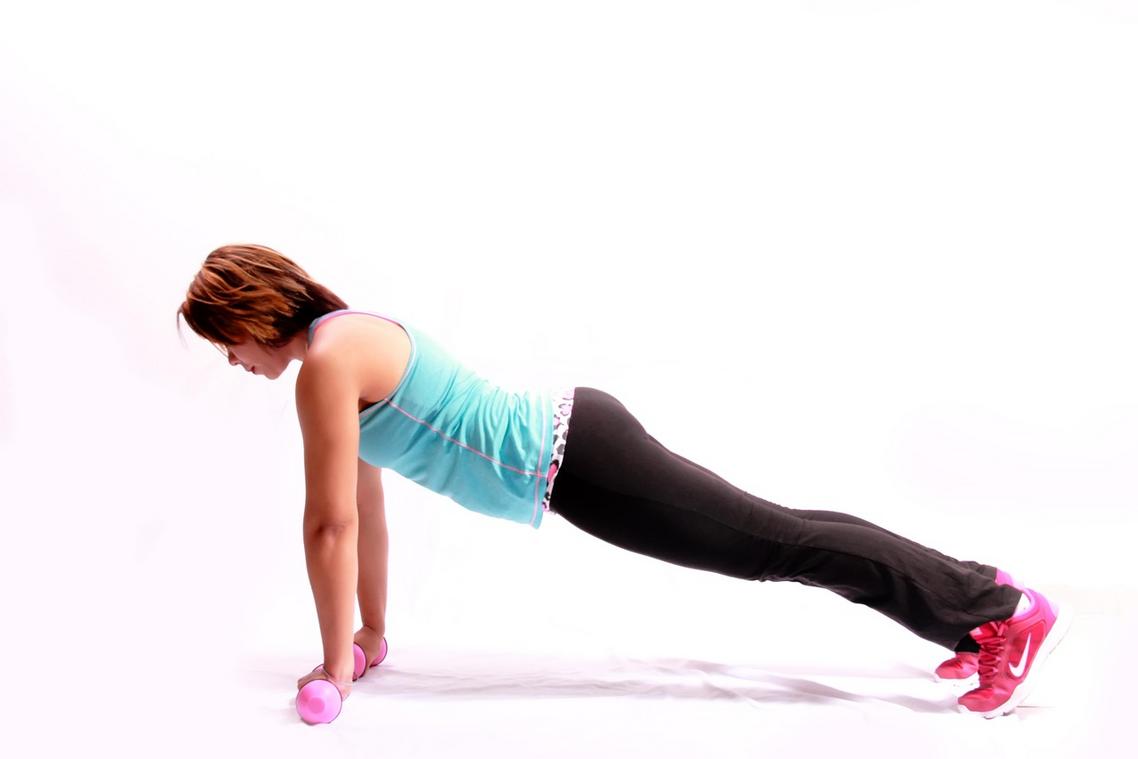
A few years ago, I tried standing on one leg while brushing my teeth and nearly toppled into the sink. That tiny wobble was a wake-up call. If I couldn’t control a simple single-leg stance, how solid was my foundation during real athletic movement? That’s where static balance work comes in. Static balance simply means maintaining control of your body while staying in one position (no flashy jumps required).
First, the Single-Leg Stance. Stand on one foot, core tight, gaze forward. Think of your core as a natural weight belt stabilizing your spine. Start with 30 seconds per side for 3 sets. As you improve, close your eyes to challenge proprioception—your body’s ability to sense its position in space (yes, your muscles have GPS). Pro tip: lightly grip the floor with your toes to engage the arch.
Next, the Heel-to-Toe Walk. Walk in a straight line, placing your heel directly in front of your toes, like you’re on a tightrope. Move slowly for 10–15 steps, turn, and repeat. It looks simple, but controlled movement exposes weaknesses fast.
Finally, the Tandem Stance. Stand heel-to-toe and hold for 30 seconds. To progress, close your eyes or stand on a folded yoga mat. Some argue these balance and coordination drills are too basic to matter. However, foundational control builds ankle strength and core stability that carry over to sprints, lifts, and quick cuts. Start simple—your future performance depends on it.
Introducing Movement: Dynamic Coordination Drills
Static holds build awareness. However, sports rarely happen in stillness. The moment you sprint, cut, or leap, your body must stabilize while moving. That’s where dynamic coordination comes in—the ability to control joint position and posture through motion (not just during a pause at the bottom of a squat).
If you’ve already worked through mastering fundamental movement skills for all sports (https://rushisvili.com/mastering-fundamental-movement-skills-for-all-sports/), this is your next step. Now we layer movement onto stability.
1. Walking Lunges with Torso Twist
Step forward into a lunge. At the bottom, rotate your torso over your front leg. Push off with control and flow into the next step. This challenges core stability—your trunk’s ability to resist unwanted motion—while demanding balance on a moving base. Keep your knee tracking over your toes (pro tip: move slowly before adding speed).
2. Box Jumps (Landing Focus)
Jump onto a low, stable box. Height is irrelevant; precision is everything. Land softly on two feet, absorbing force through your hips. No wobbling. No dramatic stumbles like a missed superhero landing. Step down carefully. This builds eccentric control—your muscles’ braking system.
3. Carioca (Grapevine) Drill
Move laterally, crossing one foot in front, then behind. Stay low and fluid. This improves hip mobility, foot speed, and spatial awareness.
Together, these balance and coordination drills bridge the gap between training and real competition. Choose control over chaos. Mastery in motion always beats strength without stability.
Mastering control means refining proprioception—your body’s awareness of joint position and movement without looking. Think of it as your internal GPS (the one that keeps you upright when you trip on a curb). Advanced drills increase instability or unpredictability so the nervous system must react faster and more precisely.
Exercise 1: Single-Leg Squat on Unstable Surface. Standing on a BOSU or pillow creates constant wobble, forcing tiny ankle and hip corrections called micro-adjustments. That term simply means rapid, small muscle responses that prevent collapse.
Exercise 2: Agility Ladder Drills. Patterns like the Ickey Shuffle or in-in-out-out demand speed plus exact foot placement. You are training neuromuscular coordination, the communication between brain and muscle.
Exercise 3: Reaction Ball Drills. An uneven bounce challenges reflexive stabilization in milliseconds.
Use balance and coordination drills in the section once exactly as it is given.
Pro tip: prioritize quality over speed to reinforce elite mechanics.
From Unsteady to Unstoppable
You started this journey to feel more stable, controlled, and confident in your movement. Now you have a complete toolkit—from foundational holds to reactive progressions—to make that happen. The frustration of feeling off-balance or uncoordinated doesn’t have to define your performance anymore. With consistent balance and coordination drills, you retrain the communication between your brain and muscles, turning instability into strength.
The next move is simple: add 10–15 minutes of these drills to your warm-up 2–3 times per week. Start basic. Progress with control. Stay consistent. Commit today and watch your stability transform into unstoppable performance.