
In every game, there’s a turning point — a split second where energy shifts, confidence surges, and the outcome begins to tilt. These momentum shifts in sports are often the difference between a narrow loss and a defining victory. Whether you’re an athlete, coach, or dedicated fan, understanding how and why these shifts happen can transform the way you approach competition.
This article dives into the mechanics behind game-changing moments, from athletic skill execution and tactical adjustments to the psychological sparks that ignite team-wide surges. If you’re looking to recognize momentum as it builds, create it intentionally, or stop it when it swings against you, you’re in the right place.
Our insights are grounded in performance analysis, competitive strategy research, and real-world athletic observation — delivering practical, experience-backed guidance you can apply immediately to elevate performance and competitive awareness.
One minute a basketball team is down 20, the crowd half‑asleep; the next, a steal, a three, and the arena feels like it’s tilting. We call these momentum shifts in sports, and they seem random. They’re not.
Behind every sudden surge sit psychological sparks, tactical tweaks, and physical fatigue. This article breaks those forces into clear, practical features:
- Confidence swings that spread through a bench
- Strategic adjustments that exploit mismatches
- Conditioning edges that outlast opponents
By understanding these triggers, you’ll see beyond the scoreboard and anticipate the next turning point before it explodes. Control is rarely accidental.
Decoding ‘Momentum’: The Psychology of the Shift
Understanding how momentum shifts can alter the course of competitive games is crucial, especially when paired with the explosive power techniques discussed in our *Complete Guide to Developing Explosive Power*, which can enhance an athlete’s ability to capitalize on those pivotal moments – for more details, check out our The Complete Guide to Developing Explosive Power.
In sports, momentum isn’t just a scoreboard swing; it’s a tangible shift in psychological dominance—the moment one team starts believing the game bends their way. Think of a last-second three-pointer or a breakaway goal. Suddenly, the bench is louder, passes are crisper, and hesitation disappears.
So what triggers it? First, a spectacular play can jolt belief (yes, one dunk can feel like a lightning strike). Second, a pivotal referee decision can validate effort or spark outrage. Third, crowd energy can swell into a sixth player, amplifying confidence. Researchers link this to “collective efficacy,” defined as a group’s shared belief in its ability to execute tasks successfully (Bandura, 1997). When that belief spikes, performance often follows.
However, the flip side is the choke factor. One critical error—a missed free throw, a dropped catch—can seed doubt. Tentative play creeps in, mistakes compound, and momentum shifts in sports become painfully visible.
Practically, teams can train for this. After a big play, huddle immediately, name the win, and set the next micro-goal. After an error, reset with a breathing cue and a clear first action. Pro tip: rehearse pressure scenarios in practice so confidence feels familiar when it counts.
The Tactical Triggers: How Strategy Flips the Script
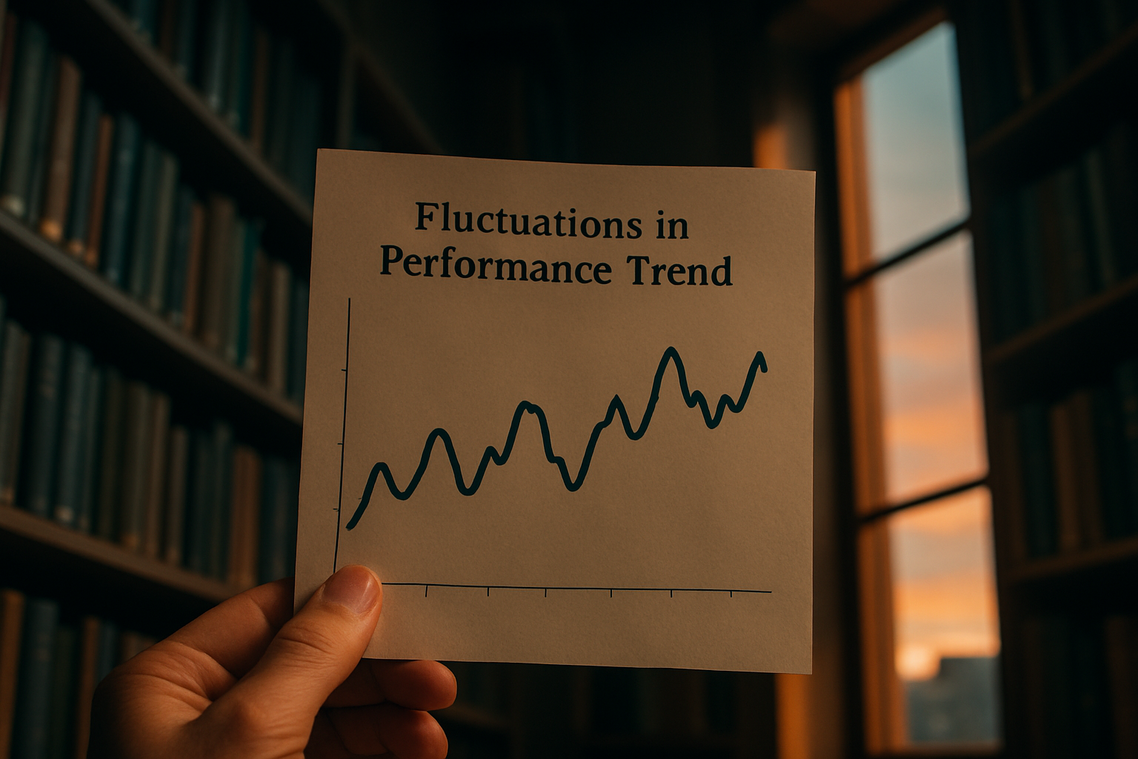
Talent sets the stage. Strategy flips the outcome. When two evenly matched teams collide, coaching decisions often matter more than raw skill (yes, even more than the superstar everyone came to see).
Mid-Game Adjustments: Adapt or Collapse
Sticking to Plan A vs. Switching to Plan B midstream.
A static defensive scheme might dominate early—until the opponent solves it. Shifting from man-to-man to a zone defense (a coverage system where players guard areas, not individuals) can neutralize a hot scorer instantly. Think of a basketball team icing a pick-and-roll by trapping instead of switching. Suddenly, the opponent’s “sure thing” becomes a turnover machine.
Critics argue constant adjustments create confusion. Fair. But predictable teams are easier to dissect (just ask any NFL coordinator after halftime).
Strategic Substitutions: Skill-Specific Shockwaves
Fresh speed against fatigue vs. loyalty to starters.
Introducing a pace-heavy winger against a tired backline stretches space and forces rushed decisions. In soccer, that single substitution can tilt possession and trigger momentum shifts in sports that ripple across both benches. It’s chess, not checkers.
Tempo Control: Dictate or React
Slow grind vs. fast break frenzy.
Tempo control—deliberately altering pace—disrupts rhythm. A basketball team bleeding the shot clock frustrates a run-and-gun opponent. Conversely, accelerating play prevents structured defenses from setting up. He who controls tempo controls tension.
Set-Piece Power: Small Windows, Massive Impact
Open play may dominate headlines, but set-pieces (structured restart opportunities like corner kicks or power plays) punch above their weight. A single well-rehearsed corner can shatter a stalemate and shift psychological control.
For deeper breakdowns, explore 5 game changing momentum moments that define championship teams.
Pro tip: Practice situational scenarios more than highlight plays—championships hinge on the details.
The Skill Factor: When Individual Brilliance Breaks the Stalemate
Games often hinge not on systems but on singular moments. When structure stalls, one athlete’s decision can redraw the map. This is the “Hero Play,” a decisive act—a diving catch, a 30-yard strike, a last-second block—that jolts belief back into a bench. Teammates stand taller; opponents hesitate. In real terms, think of a playoff game where one chasedown block flips energy across the arena.
However, brilliance is rarely random. Coaches and players hunt mismatches by:
- Studying film for slow footwork or poor spacing
- Forcing switches until the weak defender is isolated
- Repeating the action until the structure cracks.
Over time, this targeted pressure creates visible momentum shifts in sports, even before the scoreboard changes.
Finally, conditioning decides who owns the closing minutes. Superior stamina means sharper cuts, firmer tackles, calmer finishes while others fade. If you want to break a stalemate, ask yourself: who is still accelerating when everyone else is gasping? Train for repeat sprints, rehearse late-game scenarios, and track recovery metrics weekly. Skill, applied relentlessly, turns tension into takeover. That is how individuals permanently tilt competitive balance. Preparation makes brilliance repeatable, not accidental. Under pressure and fatigue.
Big games rarely fall apart because of talent; they unravel because teams aren’t ready for momentum shifts in sports. In practice, everything feels controlled, predictable, almost comfortable. But then game day hits, the crowd gets loud, and one bad turnover snowballs.
High-pressure scenario training, however, flips that script. By simulating late-game chaos, tight clocks, and hostile environments, athletes build mental calluses. Still, frustration creeps in when a single mistake lingers. That’s where reset mechanisms matter. A deep breath, a cue word, a quick visual replay of the correct action—then move on.
After all, who hasn’t watched a game spiral because no one let it go?
Meanwhile, leadership steadies the storm. Vocal captains slow huddles, demand eye contact, and remind teammates of the plan. Conversely, they can raise urgency, spark belief, and ignite a surge. Train the chaos, rehearse reset, and empower voices that anchor focus. Then pressure becomes fuel.
Seeing the Hidden Battle
Shifts in the balance of power aren’t magic; they’re the predictable result of psychology, strategy, and individual execution colliding in real time. When a shooter hesitates or a coach tweaks a formation, momentum shifts in sports suddenly make sense. So, instead of blaming luck, start tracking patterns. Notice body language after turnovers. Watch how captains slow or speed the tempo. Then, connect those cues to tactical adjustments. Over time, you’ll anticipate swings before commentators mention them. Do this consistently, and every game becomes a layered chess match rather than random chaos. Look deeper each possession closely.
Mastering Momentum to Elevate Performance
You came here to better understand how momentum shifts in sports influence performance, decision-making, and competitive outcomes. Now you can clearly see how quickly a game can change—and how athletes and teams who recognize and respond to those shifts gain the advantage.
Ignoring momentum is often the difference between closing out a win and watching it slip away. When timing, confidence, and strategy fall out of sync, performance suffers. But when you learn to anticipate and control those pivotal moments, you don’t just react—you dictate the pace.
The next step is simple: start applying these insights in real time. Analyze game film for turning points. Refine communication under pressure. Train specifically for high-intensity swings that demand composure and clarity.
If you’re ready to sharpen your competitive edge and turn critical moments into winning opportunities, take action now. Join the #1 trusted resource for athletes and teams serious about performance optimization and start transforming pressure into progress today.