
Most athletes underestimate the power of a proper warm-up. They rush through a few stretches—or skip it entirely—then wonder why they feel stiff, slow, or vulnerable to injury. The truth is, outdated static stretching and random drills can actually reduce explosive power and limit performance. This guide goes beyond generic advice to deliver a science-backed, structured approach built on biomechanics and performance optimization. You’ll discover how to use targeted activation drills and mobility routines for athletes to prime your nervous system, unlock speed and strength, and create immediate momentum. Follow this repeatable protocol to prepare your body for peak performance in any sport.
The Science of Priming Your Body: Beyond Simple Stretching
Incorporating targeted mobility routines not only enhances recovery from intense training programs but also complements the agility and strength required for sports like Sffarehockey.
A proper warm-up isn’t about casually touching your toes. It has four clear goals: increase core body temperature (so muscles contract faster), enhance blood flow (delivering oxygen and nutrients), activate the central nervous system (your brain-to-muscle signal highway), and improve joint mobility (the usable range of motion around a joint). Miss one, and performance leaks—like trying to sprint with the parking brake on.
The Static Stretching Myth
Holding long static stretches before training can temporarily reduce power output by dampening muscle firing (Fowles et al., 2000). That’s great for cooling down, not for explosive lifts or sprints. Think of it like switching your phone to low-power mode before a big presentation—counterproductive.
Save long holds for post-workout recovery.
The R.A.M.P. Protocol in Action
Use R.A.M.P.: Raise, Activate, Mobilize, Potentiate.
- Raise: 3–5 minutes of light cardio.
- Activate: Glute bridges or band pull-aparts.
- Mobilize: Dynamic lunges and thoracic rotations (ideal in mobility routines for athletes).
- Potentiate: Short sprints or light jump squats.
Pro tip: Match the final drills to your sport—shooters shoot, lifters lift light first. Even NBA stars follow structured primers (no one just jogs in and hopes).
Phase 1 (Raise): Elevating Heart Rate and Blood Flow
The Raise phase is designed to gradually increase cardiovascular activity and pump oxygen-rich blood to working muscles. In simple terms, you’re shifting the body from rest mode to performance mode. This controlled elevation improves muscle elasticity, reaction speed, and coordination while reducing injury risk. The goal is steady activation, not exhaustion.
Effective low-to-moderate intensity options include:
- Light jogging to stimulate full-body circulation
- Skipping rope to enhance rhythm and ankle stiffness
- Cycling on a stationary bike to build joint-friendly heat
- Dynamic rowing to engage upper and lower body together
Three to five minutes is typically sufficient to reach this primed physiological state without causing premature fatigue. For athletes integrating mobility routines for athletes, placing them immediately after this phase enhances range of motion and neuromuscular readiness. Think of Raise as turning the engine on and letting it warm up before pushing the accelerator.
Phase 2 (Activate): Waking Up the Right Muscles
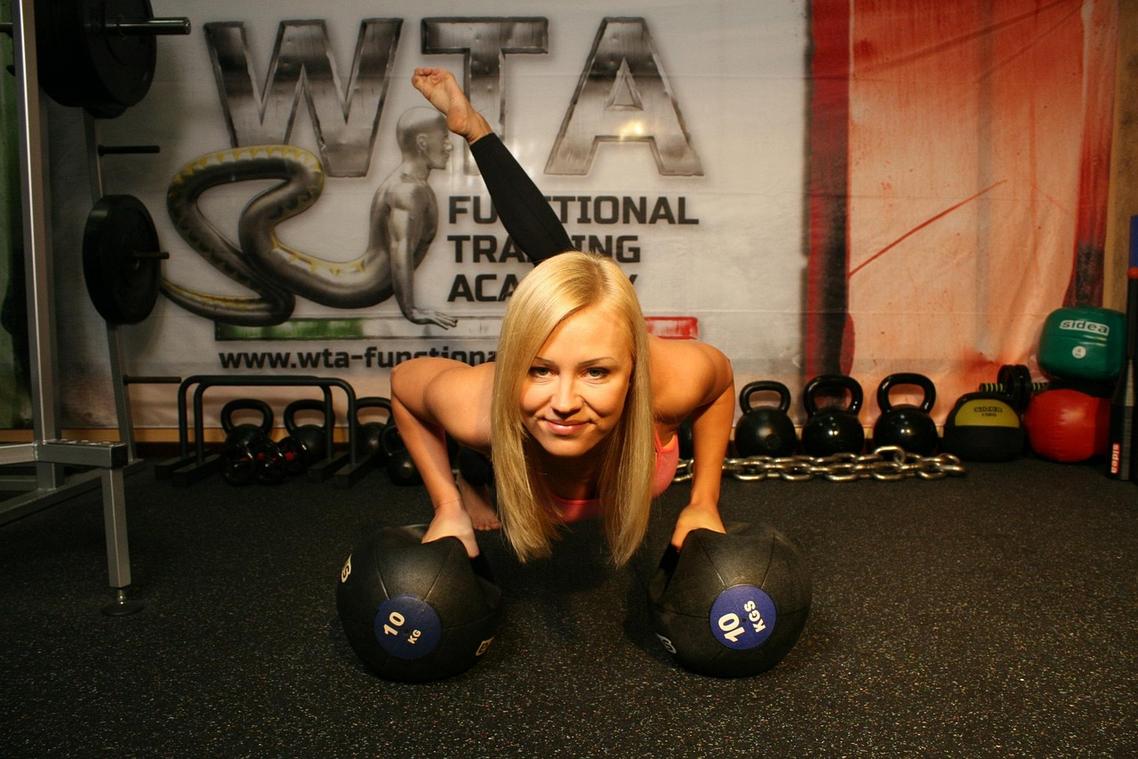
I learned the hard way that skipping activation is like revving a car engine in neutral—lots of noise, zero traction. Early in my training, I’d jump straight into sprints and wonder why my hips felt tight and my lower back barked at me the next day. Phase 2 fixed that.
Activation means deliberately “switching on” key stabilizers—especially the core (the muscles that brace and protect your spine) and glutes (your primary hip extensors and power drivers). Without them firing properly, bigger muscles compensate (and not gracefully).
Technique Over Speed
This isn’t about sweating. It’s about control. Slow, intentional reps build the mind-muscle connection—your brain’s ability to recruit the right fibers at the right time (think less autopilot, more precision).
Glute Bridges wake up the posterior chain—the interconnected muscles along your backside responsible for sprinting and jumping.
Bird-Dogs reinforce spinal control and cross-body coordination.
Band Pull-Aparts activate the rotator cuff and upper back, crucial for shoulder integrity.
Planks create full-core tension, teaching your body to resist movement before producing it.
Some argue activation is unnecessary if you already follow mobility routines for athletes. I disagree. Mobility improves range; activation ensures control within that range.
Pro tip: If you can’t feel the target muscle working, slow down.
For broader structure, explore designing a weekly training regimen for multi sport athletes.
Phase 3 (Mobilize): Unlocking Full Range of Motion
If Phase 2 wakes the body up, Phase 3 turns the lights ALL THE WAY ON. Mobilization is where you unlock usable range of motion—the kind that actually improves performance.
First, let’s define terms. Dynamic mobility means actively moving a joint through its range of motion with control. Static stretching is passive—you hold a position without movement. Static work has value for recovery, but before training? Dynamic wins.
Why? Because movement prepares you for movement. Dynamic drills increase joint lubrication (synovial fluid reduces friction), decrease stiffness, and rehearse the exact patterns you’re about to use. In other words, you don’t just get loose—you get READY.
Use mobility routines for athletes to bridge warm-up and performance.
Essential Mobility Drills
| Drill | Primary Benefit |
|---|---|
| Leg Swings (Forward & Lateral) | Opens hips, improves stride mechanics |
| Walking Lunges with a Torso Twist | Enhances hip mobility and thoracic rotation |
| Cat-Cow Stretch | Mobilizes and segments the spine |
| Arm Circles (Forward & Backward) | Activates and lubricates shoulders |
Some argue static stretching prevents injury better. Research suggests dynamic warm-ups improve power and sprint output without the temporary strength reductions linked to prolonged static holds (Behm & Chaouachi, 2011).
The payoff? Smoother movement, stronger positions, and fewer mechanical restrictions holding you back.
Potentiation is the final bridge between warm-up and peak output, priming the nervous system for explosive force. Research shows post-activation performance can improve power by up to 8% (Journal of Strength and Conditioning Research). Therefore, add low box jumps, short sprints, and medicine ball slams after mobility routines for athletes.
Building a Consistent Pre-Performance Routine
You set out to replace inconsistent, ineffective warm-ups with a structured system that actually elevates performance—and now you have the blueprint to do it. By applying the R.A.M.P. framework, you’re not just going through the motions; you’re priming your body for explosive power, sharper coordination, and resilient movement. This science-backed approach transforms mobility routines for athletes into purposeful preparation that directly impacts results.
Don’t let poor preparation limit your potential. Start using this four-phase protocol in your very next session and feel the immediate difference. Athletes who commit to structured warm-ups perform better and stay ready—make this your competitive edge today.