Injury sucks, doesn’t it? You’re stuck on the sidelines, wondering, “When can I get back out there?” The uncertainty eats at you. Trust me, I get it.
I’ve been there. I know the frustration of watching from the bench, itching to jump back into the game. But here’s the thing: you don’t have to face this alone.
This guide is all about clearing the fog around your recovery. We’re diving into recovery training plans designed to get you back to your peak performance. No shortcuts.
No generic fluff. Just a straightforward path to come back stronger. I’ve spent years understanding what really works in athletic performance optimization.
By the end, you’ll have a practical playbook that makes sense. You’ll know exactly what steps to take to reclaim your spot and excel. Ready?
Let’s do this.
Rehab vs. Rest: The Real Game Changer
When you’re injured, it’s tempting to just rest and hope for the best. Trust me, I’ve been there. But here’s the thing: recovery training plans aren’t about lounging around.
They’re about actively working on getting better. Rest is like hitting pause on a movie. It stops everything, but nothing improves.
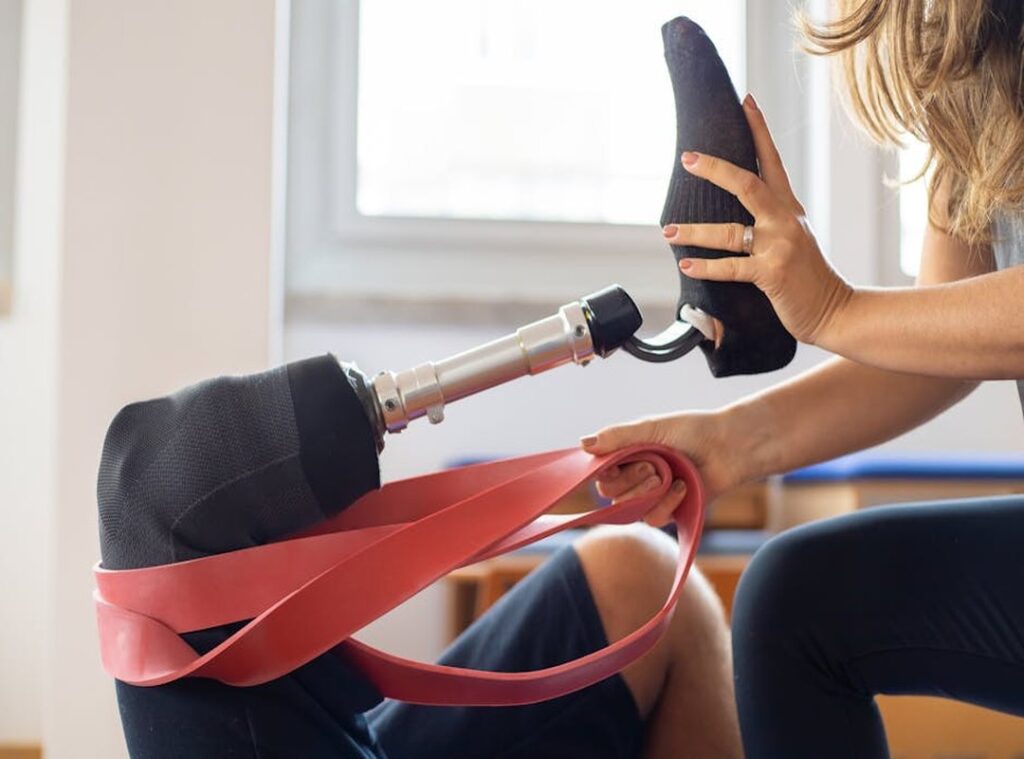
A solid rehab program? That’s like taking your car into the shop for an upgrade while you’re still driving it. You’re not just waiting for the pain to disappear.
You’re rebuilding strength and restoring function.
Rest alone is rarely enough. You need to actively engage in exercises that target your weaknesses. Otherwise, the risk of re-injury looms large.
Rehab focuses on not just being pain-free but being stronger than before. It’s about getting back to your sport without fear of the same injury haunting you. For those looking to raise their game, check out these important drills all level athletes.
They’re key to a well-rounded recovery and performance.
Why settle for less when you can come back even better?
The Comeback Playbook: Four Phases to Victory
So you’ve been sidelined. Now what? Time to dive into the core game plan for recovery.
It’s not just about getting back on the field; it’s about coming back stronger. Let’s break this down into four unskippable phases.
First up, the “Damage Control” phase. This is where you focus on managing pain and inflammation. Ever heard of RICE?
Rest, Ice, Compression, Elevation. That’s your mantra here. Gentle mobility exercises are also key.
You don’t want to lose what you’ve got. It’s all about promoting healing while keeping things under control.
Next, the “Foundation” phase. Restoring your full range of motion is the goal. This isn’t something you rush.
Patience is key. Precision too. Activating those key stabilizing muscles sets the stage for everything that follows.
It’s like laying the groundwork for a skyscraper. No quick fixes here.
Then comes the “Power Up” phase. Now we’re talking strength, endurance, and stability. This is where the real magic happens.
You start to feel like an athlete again. Progressive overload is your friend. Gradually increasing weights or resistance gets you there.
Remember, it’s not just about lifting heavier; it’s about doing it right.
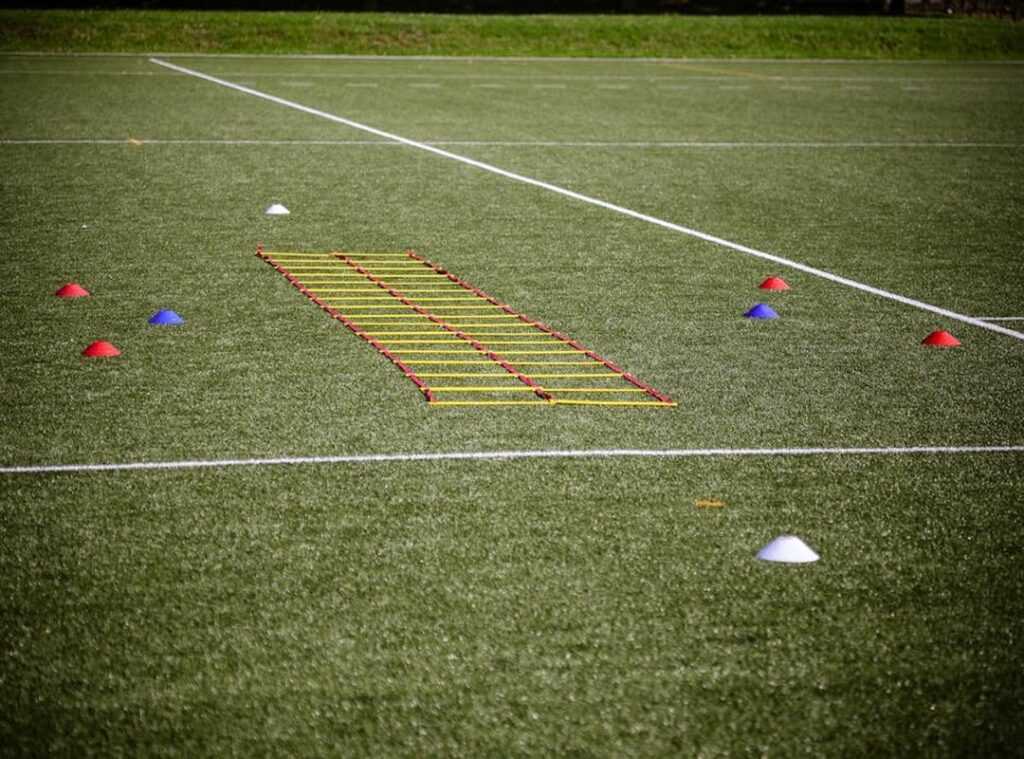
Finally, the “Return to Glory” phase. Here, it’s all about sport-specific movements and drills. You’re bridging the gap from clinic to field.
This phase is key (yeah, I said it). It’s where momentum builds, and you see the light at the end of the tunnel.
Recovery training plans aren’t just a checklist. They’re your roadmap back to the game. Ready to make that comeback?
Let’s get moving.
Secret Sauce: Elite Recovery Beyond Basics
Recovery isn’t just about resting. That’s the bare minimum. Elite recovery training plans need elements that go beyond.
We need to focus on neuromuscular control. It’s about training the brain-body connection, which is key to improving coordination and reaction time. Preventing re-injury is the goal, right?
We can’t ignore momentum and plyometrics. These explosive movements rebuild power. But timing is everything.
Introduce them too soon, and you’re back to square one. It’s like baking a cake: take it out too early, and it’s a gloopy mess. Timing is art.
The mental game is just as key. Confidence-building drills and visualization can transform recovery. Setting realistic expectations matters too.
We often overlook the psychological hurdles, but they can make or break a return to sport. Many athletes get stuck here. Thinking they’re ready when they’re not (or vice versa) sets them up for failure.
Pro tip: Frame rehab as a chance to improve performance. This isn’t just about healing; it’s about finding hidden biomechanical issues. You’ll be a better athlete for it.
Fixing these underlying weaknesses helps prevent future injuries. It’s not just recovery; it’s enhancement. Ever thought of it that way?
Plus, cross-training benefits athletes in countless ways, offering variety and targeting different skill sets. Check out this topic for more takeaways.
Elite programs take a complete approach. They look beyond the basics. It’s not just about getting back to baseline.
They improve, boost, and raise. That’s the secret sauce. Do you have it in your plan?
Comeback Killers: 3 Common Mistakes to Avoid
We’ve all been there (you’re) eager to jump back into action and reclaim your former glory. But hold on. Mistake #1 is rushing the process.

You can’t skip chapters and expect to understand the end of the book. It’s tempting to speed through recovery training plans just because you feel “good.” Trust me, feelings lie. Stick to the plan and let the objective criteria guide you.
Mistake #2? Ignoring your body’s feedback. We all know the difference between “good” soreness and “bad” pain that screams something’s wrong.
Listen to your body. Talk to your therapist or coach if you’re unsure. They know the difference between pushing limits and pushing too far.
Then there’s Mistake #3: Neglecting the “other” stuff. No one likes to talk about it, but poor nutrition, terrible sleep, and high stress can ruin any rehab effort. Want simple tips?
Eat balanced meals, prioritize sleep, and find stress-relief practices. You could even try 11 active recovery workout ideas to keep things interesting.
Think about it: Are you sabotaging your own comeback? These mistakes are common, but they don’t have to be yours. Every step counts.
Make them the right ones.
Building Your Personal Comeback Crew
Who do you need on your team for a successful recovery? First up, the Physical Therapist, or what I like to call the ‘Mechanic’. They fix you up when things go awry (like a pit stop in the middle of a race).
They’re the experts in getting your body back to its prime.
Next, we have the Strength and Conditioning Coach, the ‘Performance Engineer’. They’re the ones who’ll push you to your limits and then a bit beyond. They’re obsessed with recovery training plans and ensuring every workout counts.
Finally, your Sport Coach, aka the ‘Game Strategist’. They’re the ones who see the big picture and make sure your return to play is smooth.
But here’s the kicker: communication is key. You need these folks talking to each other. Ask questions.
Be active in your recovery. It’s your body, after all. Are you ready to take charge?
Build Your Comeback Story
Feeling sidelined by injury? You’re not alone, but you can turn it around. A structured, phased rehabilitation program is your ticket back to the field.
And better than ever. Following deliberate steps, you eliminate guesswork. This builds confidence and momentum.
Trust me, I’ve been there. Recovery training plans work. They guide you from lost to found. Take this knowledge, find your crew, and start building your comeback story today.
The game is waiting for you. Why wait another day? Start now and reclaim your game.
You’re closer to your goals than you think. Go for it.
 Head of Athletic Development & Training Programs
Ask Susan Briggswarrenones how they got into athletic skills and techniques and you'll probably get a longer answer than you expected. The short version: Susan started doing it, got genuinely hooked, and at some point realized they had accumulated enough hard-won knowledge that it would be a waste not to share it. So they started writing.
What makes Susan worth reading is that they skips the obvious stuff. Nobody needs another surface-level take on Athletic Skills and Techniques, Momentum Moments, Pro Perspectives. What readers actually want is the nuance — the part that only becomes clear after you've made a few mistakes and figured out why. That's the territory Susan operates in. The writing is direct, occasionally blunt, and always built around what's actually true rather than what sounds good in an article. They has little patience for filler, which means they's pieces tend to be denser with real information than the average post on the same subject.
Susan doesn't write to impress anyone. They writes because they has things to say that they genuinely thinks people should hear. That motivation — basic as it sounds — produces something noticeably different from content written for clicks or word count. Readers pick up on it. The comments on Susan's work tend to reflect that.
Head of Athletic Development & Training Programs
Ask Susan Briggswarrenones how they got into athletic skills and techniques and you'll probably get a longer answer than you expected. The short version: Susan started doing it, got genuinely hooked, and at some point realized they had accumulated enough hard-won knowledge that it would be a waste not to share it. So they started writing.
What makes Susan worth reading is that they skips the obvious stuff. Nobody needs another surface-level take on Athletic Skills and Techniques, Momentum Moments, Pro Perspectives. What readers actually want is the nuance — the part that only becomes clear after you've made a few mistakes and figured out why. That's the territory Susan operates in. The writing is direct, occasionally blunt, and always built around what's actually true rather than what sounds good in an article. They has little patience for filler, which means they's pieces tend to be denser with real information than the average post on the same subject.
Susan doesn't write to impress anyone. They writes because they has things to say that they genuinely thinks people should hear. That motivation — basic as it sounds — produces something noticeably different from content written for clicks or word count. Readers pick up on it. The comments on Susan's work tend to reflect that.