
Ever felt like your team is a group of talented individuals but just can’t seem to win? It’s like having a sports team full of star players who somehow never clinch a victory. I’ve been there and seen it too many times.
You work hard, but the results don’t match the effort. It’s frustrating, right? I’ve spent years optimizing team dynamics, treating business goals like championships.
Here’s the secret: the most effective team collaboration techniques often come from elite athletics. It’s all about plan, execution, and maintaining momentum. You might wonder, can these really help in the office?
Absolutely. I’ll share a playbook packed with team cohesion strategies to transform your team into a powerhouse. Ready to turn that potential into performance?
Stick with me, and let’s open up it.
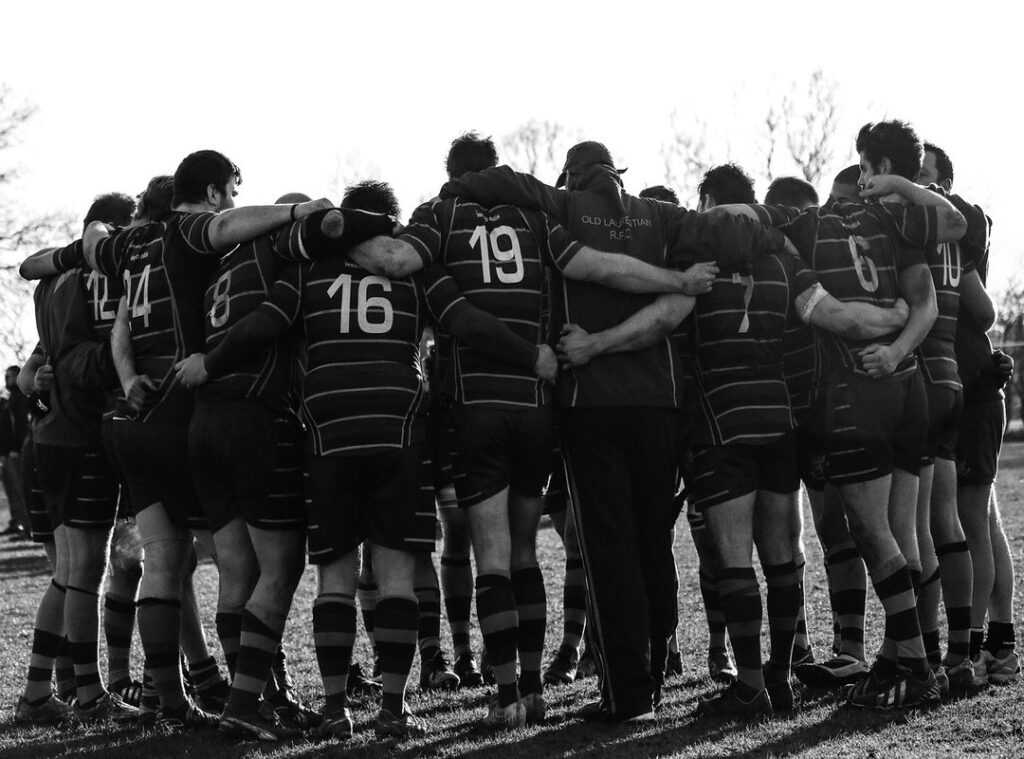
The Pre-Game Huddle: Aligning Your Team
Collaboration without a shared game plan? That’s a recipe for chaos. To get team cohesion strategies working, we need absolute clarity on goals and roles.
First off, let’s talk about setting the scoreboard. You can’t win without knowing the score. Forget vague goals; we need SMART goals.
Specific, measurable objectives that everyone understands. If your team can’t see the target, how do they hit it?
Next up, defining player positions. Ever heard of the RACI system? It’s all about making sure every player knows their spot on the field (their responsibilities, in plain English).
Who’s responsible? Who’s accountable? The last thing you want is people tripping over each other.
Metaphorically or literally.
Oh, and let’s not gloss over the rules of engagement. Communication protocols might sound boring, but they’re key. Do we email or chat?
What’s the expected response time? Clarifying this stops confusion dead in its tracks and builds a professional rhythm. Who doesn’t want smooth sailing?
Speaking of communication, this ties directly into effective communication team sports. Without it, coordination falls apart. Clicking that link will give you an inside scoop on keeping your team talking and winning.
You know what really gets me? When teams think they can just wing it. Spoiler alert: they can’t.
A well-drafted team charter is your playbook. Everyone needs to know the play (before) the game starts. So, ready to huddle up and strategize for the win?
Mastering the Plays: Core Techniques for Flawless Execution
When I shifted from planning to action, everything changed. It’s like flipping a switch from dreamer to doer. We all need a little push to focus on core techniques instead of just ideas.
Let’s talk about a few strategies that really work.
The Daily Huddle Technique
Calling your stand-up a “Daily Huddle”? Genius, right? It sets the tone immediately.
I’ve seen these turn into mundane status reports. That’s a drag. Flip it into a high-energy check-in.
I mean, what are we even doing today? What’s blocking our progress? And how can we help each other out?
These questions aren’t just for show. They drive us forward together.
Asynchronous Passing Play
Okay, let’s get real about asynchronous communication. It’s all about Slack or Teams (use whatever works). But have you ever noticed how long threads can kill momentum?
I have. That’s why summarizing conversations is a lifesaver. Pass tasks cleanly.
No need for endless meetings. Just clarity. This keeps the ball rolling without everyone losing their minds.
Brainstorming Power Play
Now, the brainstorming. Round Robin or 1-2-4-All techniques are my go-to. Why?
Because they make sure everyone gets a voice. Have you been in those sessions where the loudest person dominates? Yeah, me too.
These methods prevent that. They level the playing field. Unlocking ideas from everyone isn’t just smart.
It’s necessary.
Team cohesion strategies are fueled by these techniques. Each play focuses on what we can do better together, emphasizing the importance of involving the whole team. I’ve seen firsthand how structured processes can bring out the best in people.
Want more ideas on this? Check out the takeaways on building stronger teams: the art of fostering cohesion. It’s all about being intentional.
We might not be perfect, but with these plays, we’re damn close.
Building Momentum: Keep Your Team Energized
We all know the story. Teams start strong but then… fizzle out. It’s frustrating, right?

So how do we maintain that peak performance and keep the momentum going?
Let’s talk about the Halftime Analysis. It’s about creating a culture where regular, constructive feedback keeps everyone on track. I use the Situation-Behavior-Impact (SBI) model for feedback.
It’s practical and keeps things from getting personal. Picture this: You describe the situation, pinpoint the behavior, and explain its impact. Simple, right?
It transforms feedback into something actionable.
Now, celebrating those “yardage gains” might sound like a sports cliché, but it’s key. Recognizing small wins isn’t about throwing parties (though who doesn’t like a good celebration?). It’s about public acknowledgment.
This builds confidence and fosters positive momentum. A simple shout-out in a meeting can work wonders. Think of it like adding fuel to a fire.
Managing the clock is just as key. No one wants a team burnt out before the finish line. Encourage focused work blocks, like the Pomodoro Technique.
It’s a game-changer for maintaining energy. And here’s a pro tip: Respect non-working hours. Lead by example and take breaks yourself.
It shows your team it’s okay to step back and recharge.
And hey, let’s not forget about Building Trust Within Team. It’s another cornerstone of effective team cohesion strategies. Trust forms the bedrock of a team’s success.
By weaving these strategies together, we can keep our teams not just running, but sprinting. This isn’t just theory. It’s practical, real-world advice that I’ve seen work.
So, are you ready to keep your team energized and focused? Let’s build that momentum.
The Post-Game Review: Adapt and Thrive
What separates elite teams from the rest? It’s not just talent. It’s the ability to learn and adapt.
We have to face it: mistakes happen. But how we approach them makes all the difference.
Think of the “Reviewing the Game Tape” technique. It’s not about pointing fingers. It’s about digging into what worked and what didn’t.
Kind of like rewatching a big game moment to tweak our plan. What went well? That’s a keeper.
What blindsided us? We need to tackle that head-on next time.
Documenting key learnings is key here. We can’t just let slip through the cracks. Updating the Playbook means turning lessons into action. It’s the backbone of any strong team cohesion plan. You don’t want to keep running the same losing play, right?
I often say, our playbook is never finished. It’s a living document that grows with us. Each project teaches us something new.
And by jotting that down, we make sure we’re not repeat offenders of past mistakes. In the end, this habit elevates our performance every single time.
So, are you ready to watch some tape? Because the real magic. And growth.
Happens. Let’s hit play.
Kickstart Your Winning Season
You’ve got a talented team, but right now? They’re all over the place. It’s frustrating, right?
Here’s the deal: apply team cohesion strategies inspired by top athletes. This isn’t just a quick fix. It’s a systematic approach.
From that pre-game huddle to the post-game review. Consistent success is within reach.
Pick one technique from this playbook and put it to work this week. Feel the difference. Watch your team start to click.
Don’t just read about it. Do it. You’re one step away from building the momentum you need.
Why wait? Start now. Your championship season begins today.
 Team Dynamics & Strategy Coordinator
Johnielos Hayhurst is the kind of writer who genuinely cannot publish something without checking it twice. Maybe three times. They came to athletic skills and techniques through years of hands-on work rather than theory, which means the things they writes about — Athletic Skills and Techniques, Momentum Moments, Pro Perspectives, among other areas — are things they has actually tested, questioned, and revised opinions on more than once.
That shows in the work. Johnielos's pieces tend to go a level deeper than most. Not in a way that becomes unreadable, but in a way that makes you realize you'd been missing something important. They has a habit of finding the detail that everybody else glosses over and making it the center of the story — which sounds simple, but takes a rare combination of curiosity and patience to pull off consistently. The writing never feels rushed. It feels like someone who sat with the subject long enough to actually understand it.
Outside of specific topics, what Johnielos cares about most is whether the reader walks away with something useful. Not impressed. Not entertained. Useful. That's a harder bar to clear than it sounds, and they clears it more often than not — which is why readers tend to remember Johnielos's articles long after they've forgotten the headline.
Team Dynamics & Strategy Coordinator
Johnielos Hayhurst is the kind of writer who genuinely cannot publish something without checking it twice. Maybe three times. They came to athletic skills and techniques through years of hands-on work rather than theory, which means the things they writes about — Athletic Skills and Techniques, Momentum Moments, Pro Perspectives, among other areas — are things they has actually tested, questioned, and revised opinions on more than once.
That shows in the work. Johnielos's pieces tend to go a level deeper than most. Not in a way that becomes unreadable, but in a way that makes you realize you'd been missing something important. They has a habit of finding the detail that everybody else glosses over and making it the center of the story — which sounds simple, but takes a rare combination of curiosity and patience to pull off consistently. The writing never feels rushed. It feels like someone who sat with the subject long enough to actually understand it.
Outside of specific topics, what Johnielos cares about most is whether the reader walks away with something useful. Not impressed. Not entertained. Useful. That's a harder bar to clear than it sounds, and they clears it more often than not — which is why readers tend to remember Johnielos's articles long after they've forgotten the headline.